
Insights
Field notes on protecting physical assets.
Practical writing on petroleum, fuel and cargo loss — where it starts, why it is usually found late, and what an asset protection architecture changes.
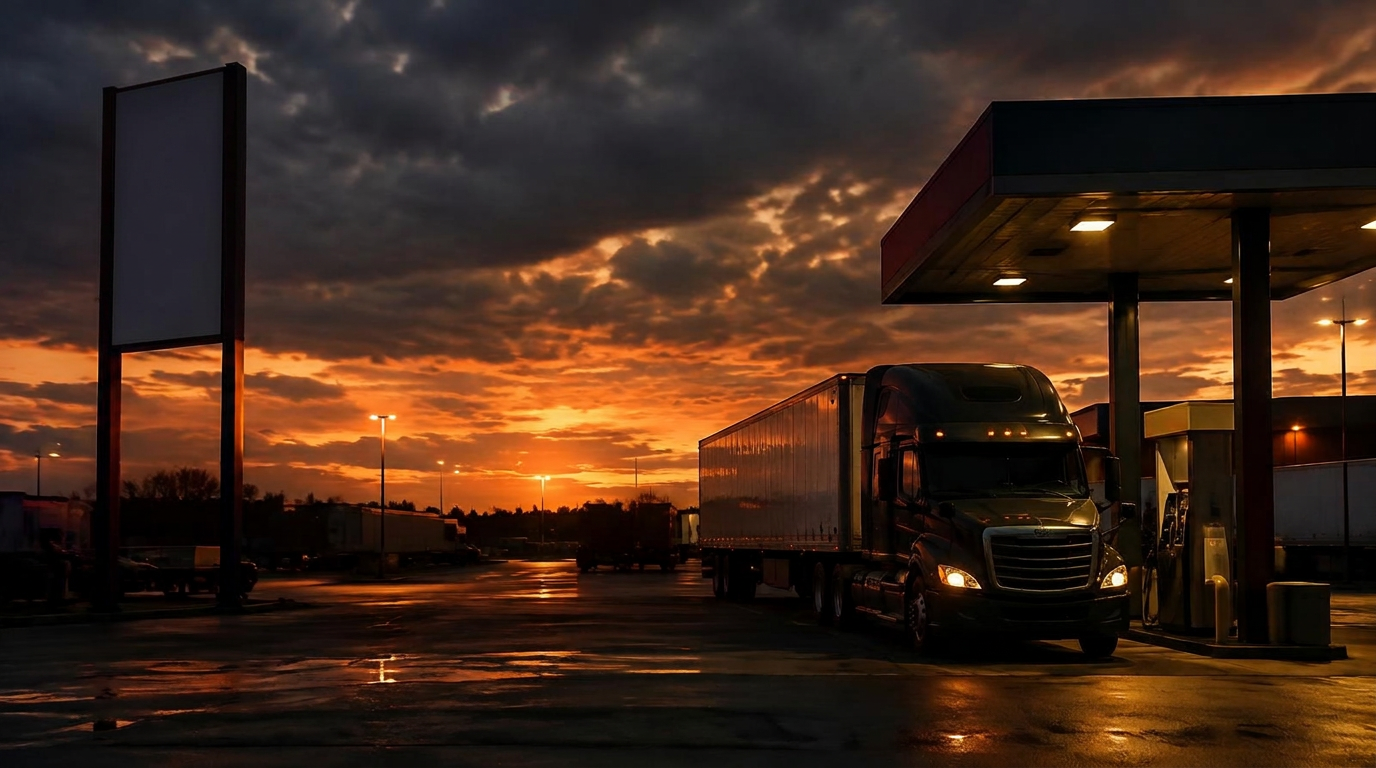
Fuel|
Diesel above $6 a gallon: what record prices mean for trucking, energy and fuel security
U.S. diesel set records in September 2026. The pump price is the visible part. The less visible part is that every gallon a fleet holds is now worth more to someone else, too.
Read the post →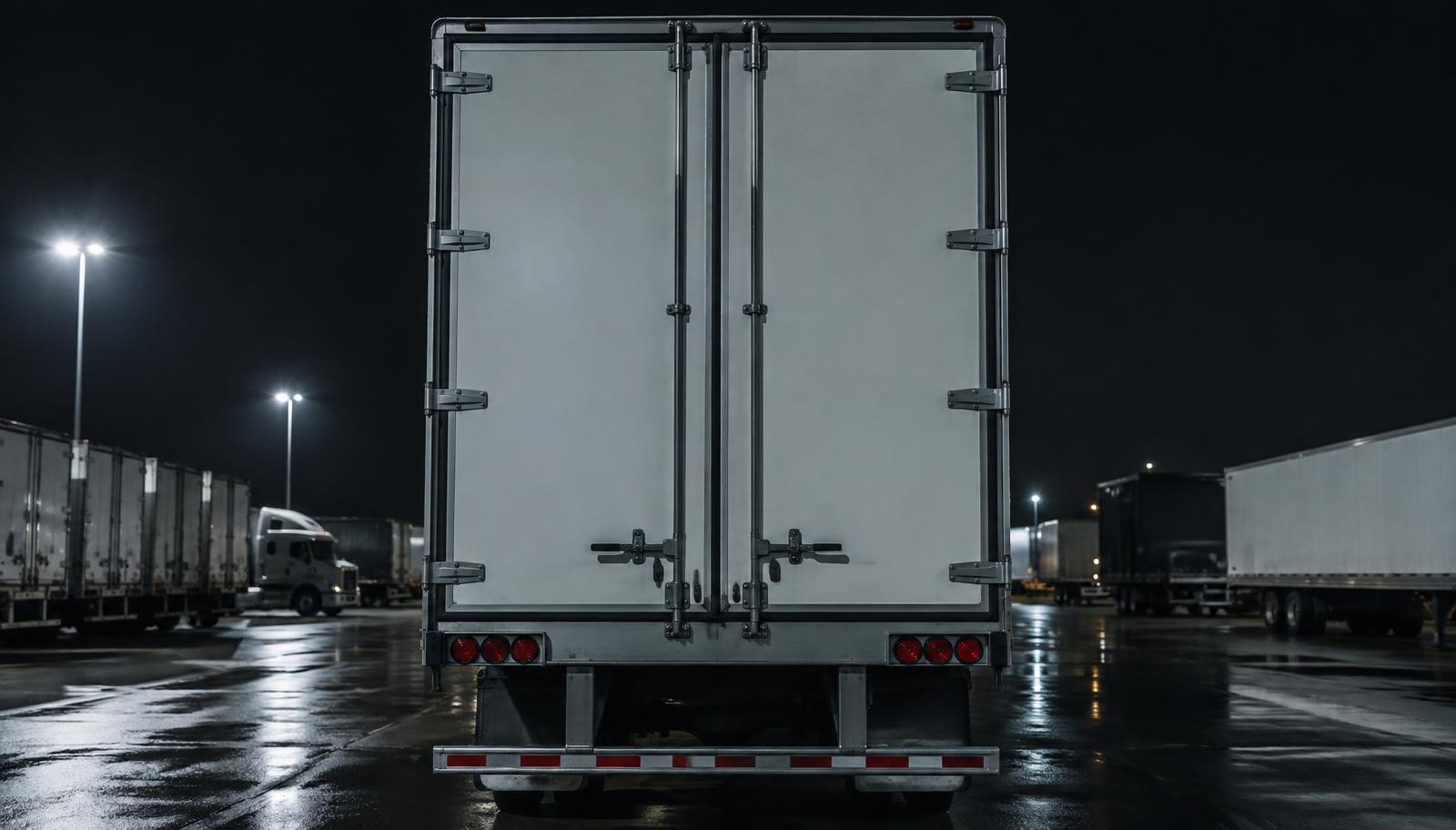
Cargo|
How to prevent cargo theft: protect the custody, not just the location
Knowing where a trailer is does not tell you whether its doors were opened. Cargo theft prevention starts with who can open the load, when, and what gets recorded.
Read the post →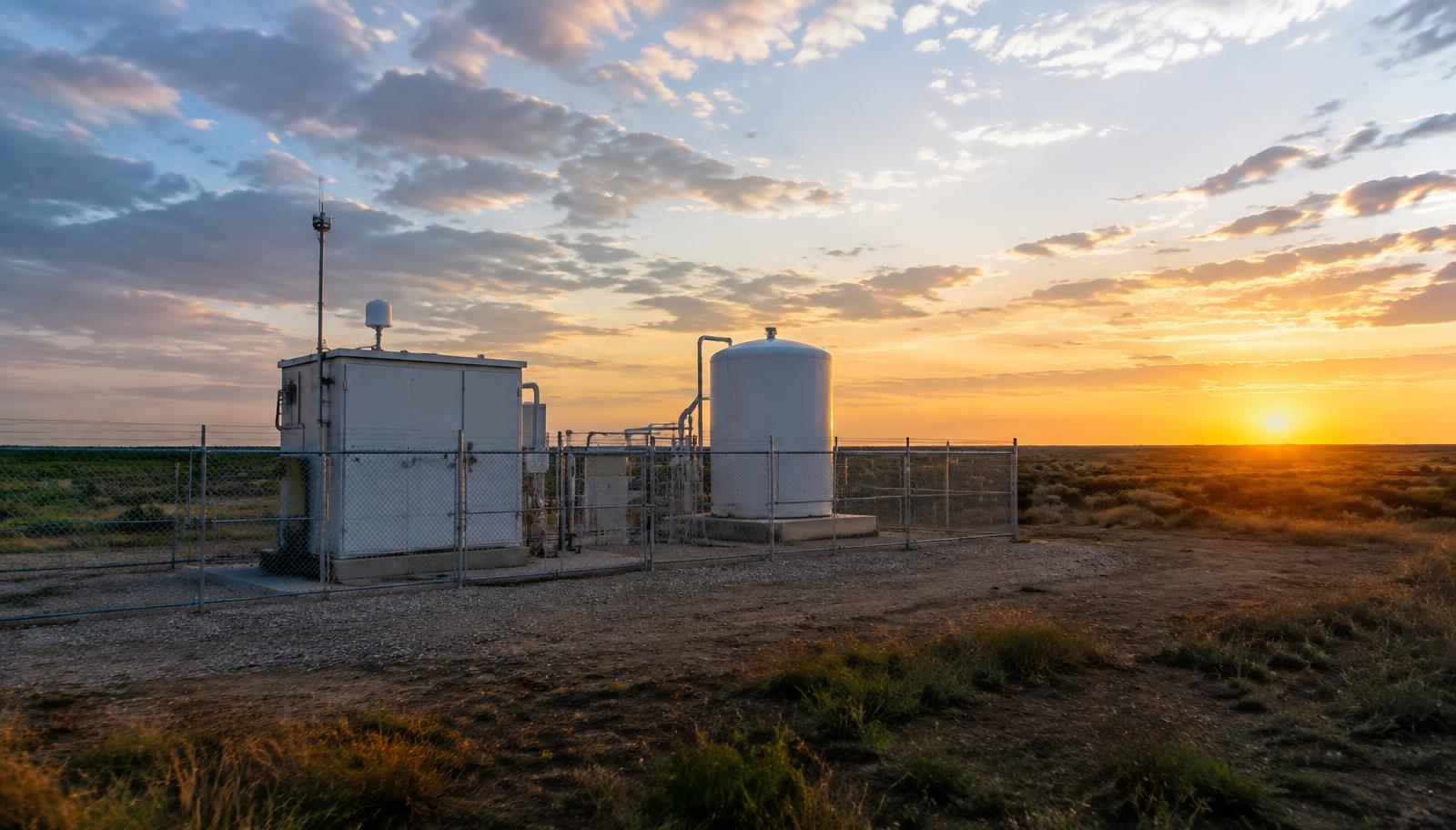
Infrastructure|
Unmanned remote sites: why access control and tamper detection beat patrols
Tank batteries, equipment cabinets and remote infrastructure sit alone most of the day. Patrols visit; they do not watch. Protection has to live at the access point itself.
Read the post →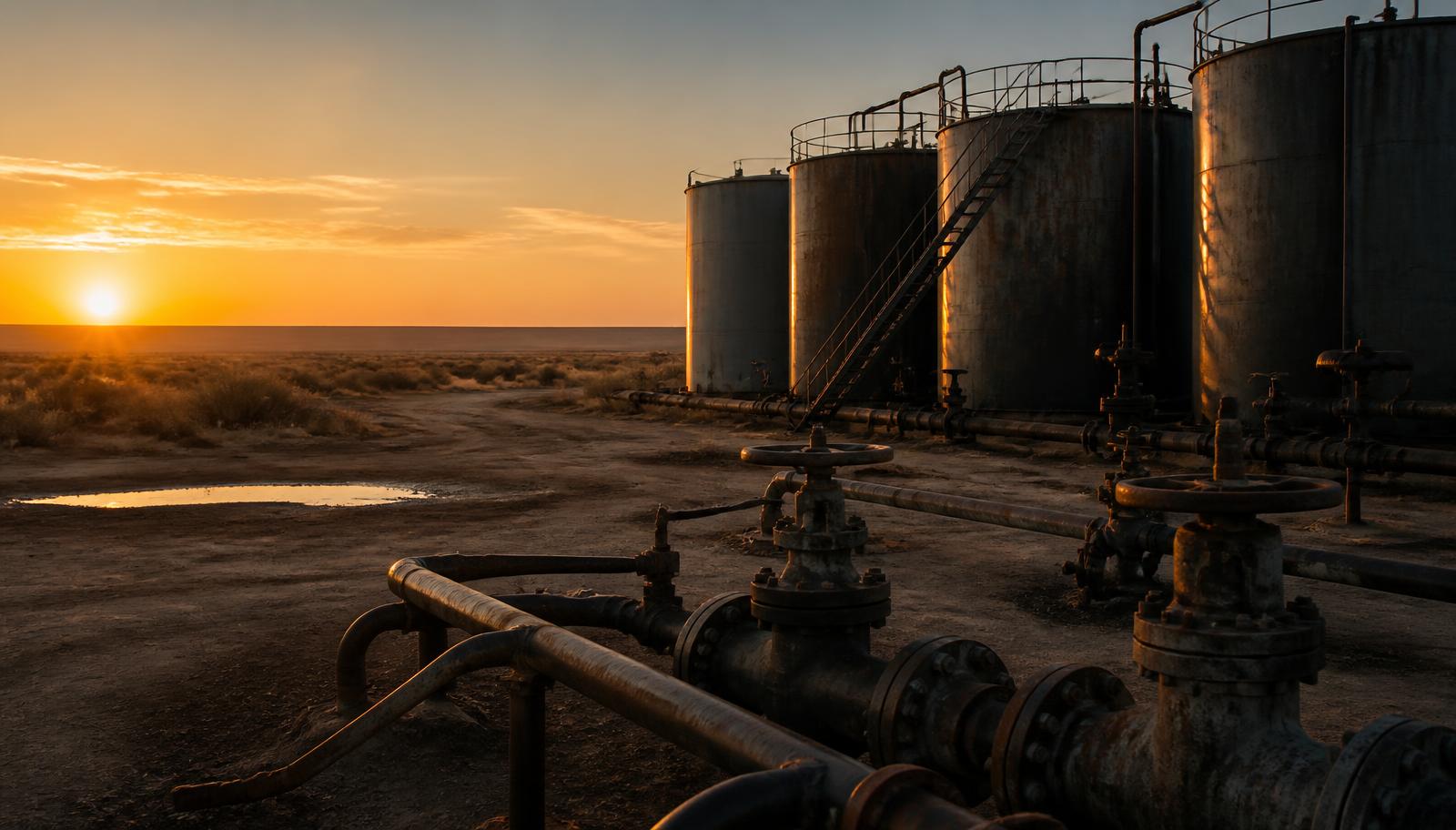
Petroleum|
Petroleum theft in the Texas Permian Basin starts at the access point
Crude losses across the West Texas oilfield are rarely a mystery of volume. They are a question of who reached the valve, the hatch or the loading connection — and whether anyone knew at the time.
Read the post →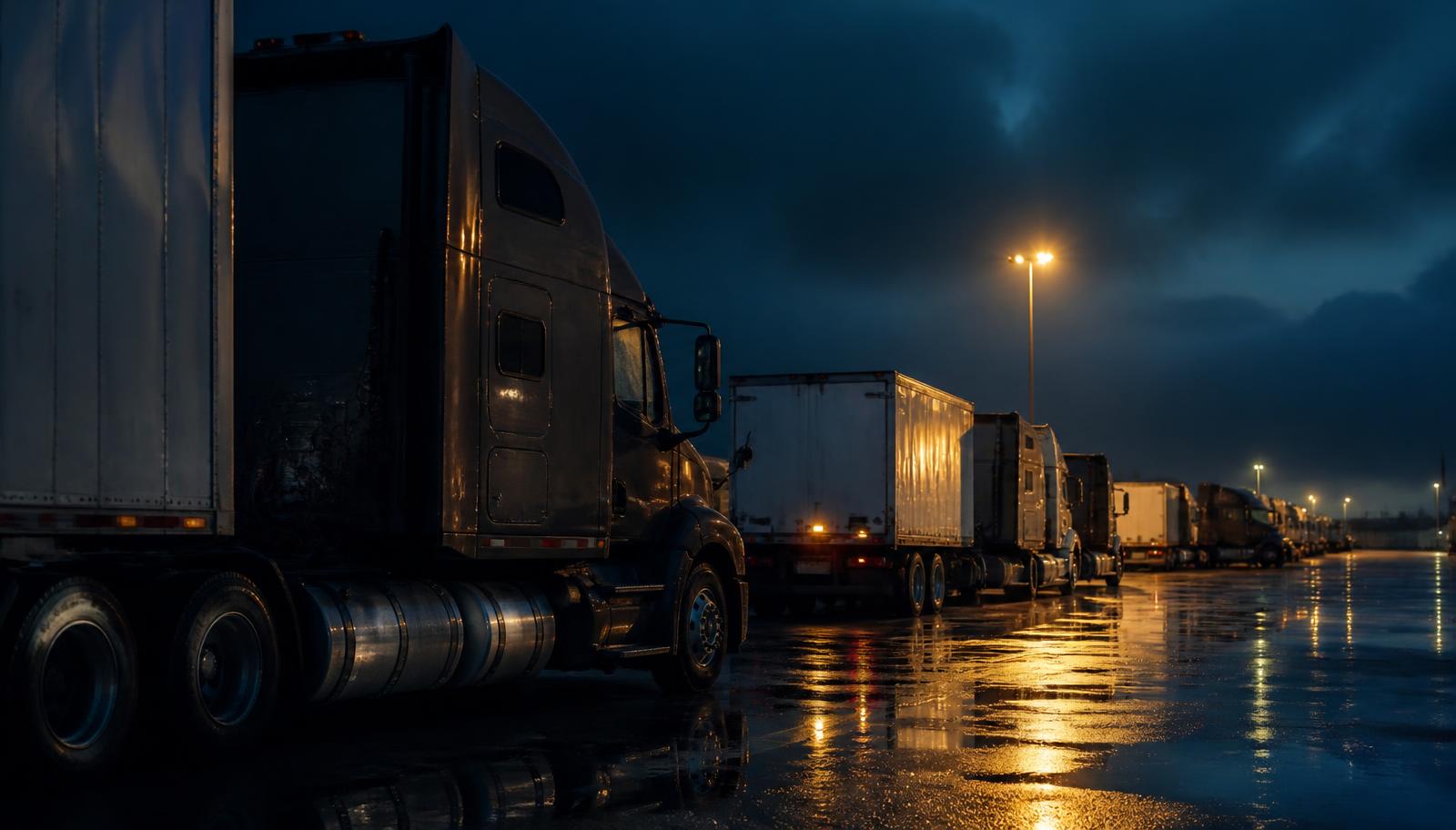
Fuel|
Diesel is expensive again. Your saddle tanks are now inventory.
When fuel costs sit near the top of the operating budget, the diesel parked in a yard overnight stops being a running cost and starts being a stored asset — worth protecting like one.
Read the post →
Tell us what you need to protect.
Every engagement starts the same way: the asset, the exposure, and the operation around it. We will tell you what a protection architecture for it looks like.