

Remote tank batteries need more than cameras because observing an access point does not physically control it. A layered crude oil theft prevention plan combines useful camera coverage with protection at thief hatches and oil loading or transfer connections, authorized access, tamper detection and remote status alerts. For Permian Basin operators, cellular coverage, safe operating requirements and the response process should be validated through a measured pilot at a specific site before expanding.
A camera overlooking a tank battery is a useful security tool. It can show a vehicle arriving, help a dispatcher understand an alert and provide context for an investigation. But the practical question for an operator is different: what stops someone from using a product access point before the footage is reviewed? At a remote site, visibility and prevention are complementary jobs, not interchangeable ones.
What cameras can — and cannot — tell you
Camera effectiveness depends on placement, lighting, maintenance and whether someone receives and acts on a relevant alert. Equipment can obscure a valve or hatch. Dust, glare or poor night lighting can reduce useful detail. A camera may show activity around a truck without establishing whether a particular connection was used or whether that activity was authorized. These are reasons to design coverage carefully, not reasons to discard cameras.
Even clear footage does not physically restrict access. An authorized hauler and an unauthorized visitor may approach the same equipment in a similar way. Video needs an operational reference — the approved work, the access authorization and the recorded state of the protected point — to help distinguish routine activity from an event that needs investigation.
A camera can show the approach. Access protection addresses the opening itself.
Thief hatch locks: protect access, preserve tank function
A thief hatch is a working tank component, not simply a lid to secure. Depending on the equipment, it provides access for gauging or sampling and may perform pressure or vacuum relief functions. Any physical protection must be reviewed against the tank design, manufacturer instructions and the operator's safety procedures. Preventing unauthorized access must never obstruct a required relief function or make necessary work unsafe.
For operators evaluating thief hatch locks, the useful questions go beyond whether a lock fits. Who is permitted to access the hatch? How is permission issued and withdrawn? Can the crew perform legitimate work without bypassing the protection? What event is recorded if someone tampers with it? A site survey should establish those requirements before hardware is selected; this article does not establish equipment suitability or any regulatory approval.
Oil loading line protection belongs in the same plan
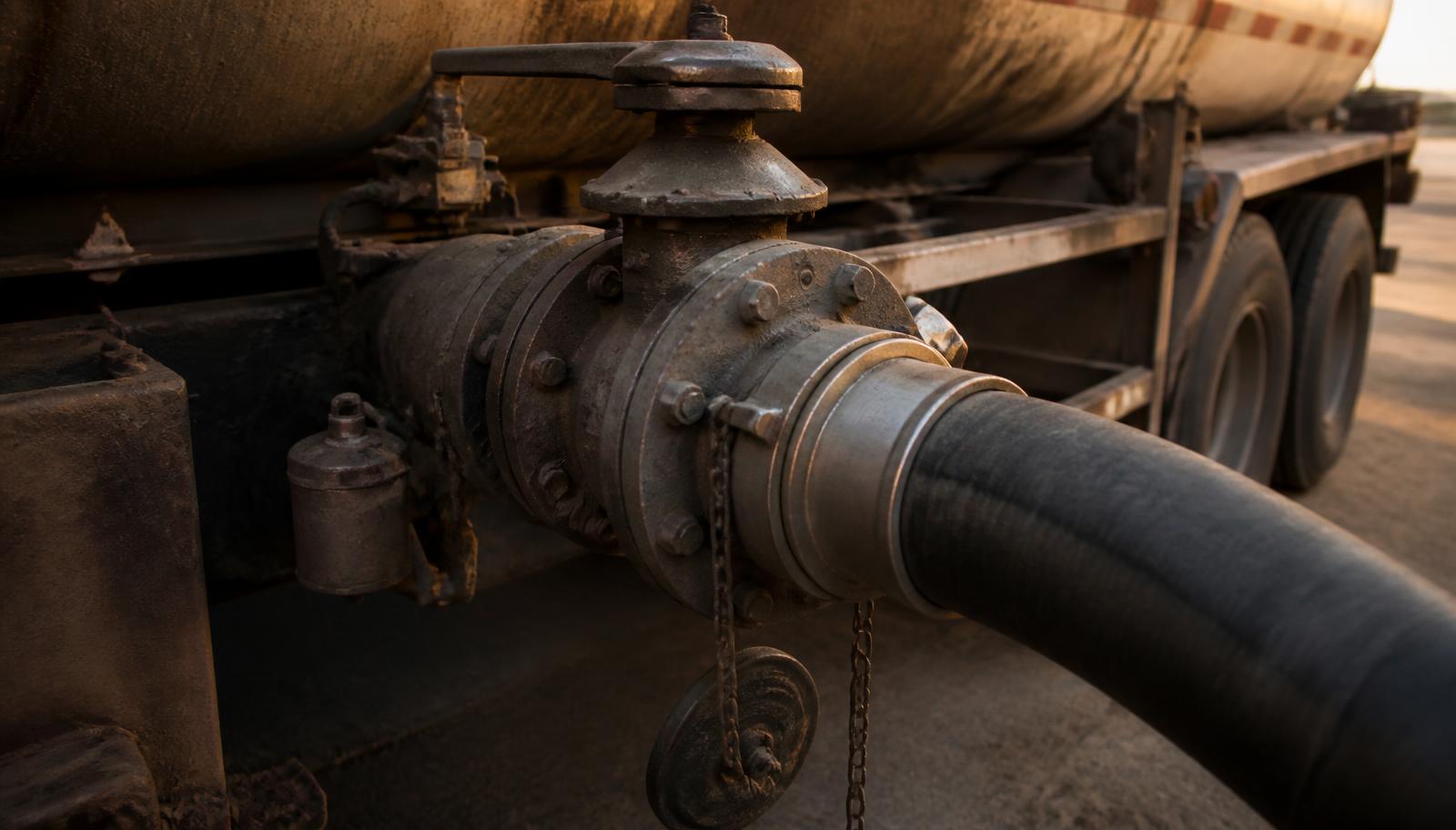
Protecting the top of a tank while leaving a loading or transfer point accessible creates an incomplete plan. Oil loading line protection should consider the accessible valves, discharge connections and hose connection points through which product can be transferred. Review them with the people responsible for production, maintenance and hauling so security controls match the site's actual flow of work.
- Inventory the product access points and identify which are used during each authorized task.
- Define physical protection and permitted access for each applicable hatch, valve and loading connection.
- Agree on authorization, completion checks and the handling of unscheduled work.
- Keep emergency access and safe operating procedures explicit, rather than leaving crews to improvise.
Remote cellular status alerts need a tested communications path
Connected access protection is most useful when operations can see the status of a protected point and receive relevant tamper or access events without driving to the site. Nuve's Permian Basin approach includes site and device telemetry over cellular coverage, with device selection based on the site's conditions. Coverage is therefore a design input, not a blanket promise of connectivity across every lease.
Test the communications path where the equipment will actually sit. Confirm site power, signal availability and what the selected system reports when connectivity or power is interrupted. A missing status update should not be treated as proof that the site is secure. During the pilot, verify which events reach the platform, how quickly they arrive under the tested conditions and how staff recognize a loss of visibility.
An alert also needs an owner. Define who acknowledges it, who compares it with an authorized job and who coordinates a safe response. Include nights, weekends and handoffs between operations and security. Personnel should follow established incident procedures, not approach a suspected theft based on an alert alone.
Layered security gives each control a clear job
- Site boundaries and lighting help manage approach and make activity easier to observe.
- Cameras provide visual context where coverage and image quality are useful.
- Physical access protection restricts applicable product access points.
- Remote authorization distinguishes approved work from unapproved access attempts.
- Tamper and status alerts identify events that need attention; event history supports review.
- An agreed response process turns the information into a practical operational decision.
A measured, site-specific pilot for Permian Basin operators
Start with a representative tank battery and a defined set of access points, rather than a broad rollout. Document the existing operating process and select pilot equipment only after reviewing mechanical fit, safe tank operation, site power and cellular coverage. Agree on the pilot duration and acceptance criteria with production, hauling and security staff before installation.
- Validate legitimate access: authorized crews can complete normal tasks without unsafe workarounds.
- Run approved, safe test events: confirm that the expected access or tamper event is recorded and reaches the designated team.
- Measure observed alert delivery time, missed test events, nuisance alerts and periods without status visibility.
- Record acknowledgement and response times, maintenance needs and any disruption to the loading process.
- Review access history against approved work and document gaps before deciding whether to expand.
Use the pilot to establish reliability and operational fit, not to manufacture a theft-reduction percentage. No incidents during a short trial does not prove that a control prevented theft. Product reconciliation can provide additional context, but discrepancies can have explanations other than theft and should be investigated accordingly. A useful pilot ends with documented observations, known limitations and a specific next decision.
If you are reviewing Permian Basin tank battery security, bring Nuve a site layout, the relevant hatch and transfer-point details, and your current access process. We can discuss whether a focused field application or pilot is appropriate — with scope and evaluation criteria grounded in that site's needs.