
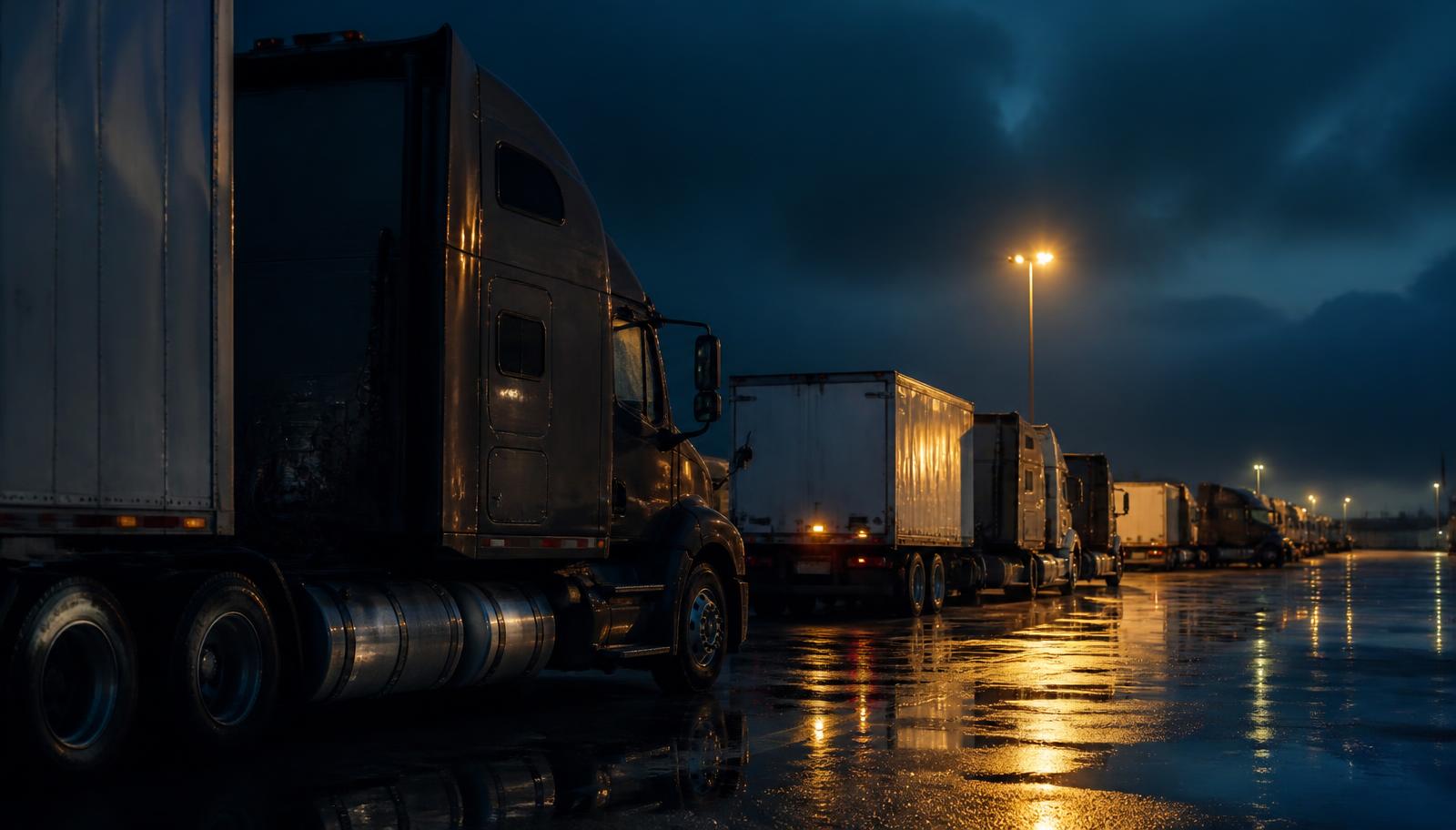
Diesel prices raise the value of every gallon a fleet is already holding — in saddle tanks, in yard tanks and in loads out for delivery. Fuel theft is usually a slow, repeated loss at an accessible fill point rather than a single dramatic event, which is why it hides inside MPG averages and month-end fuel spend. Physically controlling the fill point, requiring an authorization issued through the platform, and recording every access per vehicle and site is what makes the loss visible while it is still happening.
Every time diesel gets more expensive, the same conversation reaches operations from the finance side: fuel spend is up, and nobody can fully explain the gap between what was purchased and what the fleet appears to have burned. Route mix, idling, weather and driver behaviour absorb a lot of that gap. Loss absorbs some of it too, and loss is the part that is treated as unknowable.
A running cost that behaves like inventory
A tractor with full saddle tanks is carrying hundreds of gallons. A yard tank carries thousands. A fuel delivery is a moving container of the same commodity. Nobody would leave that much of any other product unattended overnight with an unmonitored opening on the outside — but fuel is budgeted as a cost, so it is rarely treated as stock. Higher prices do not change the physical exposure; they change what the exposure is worth.
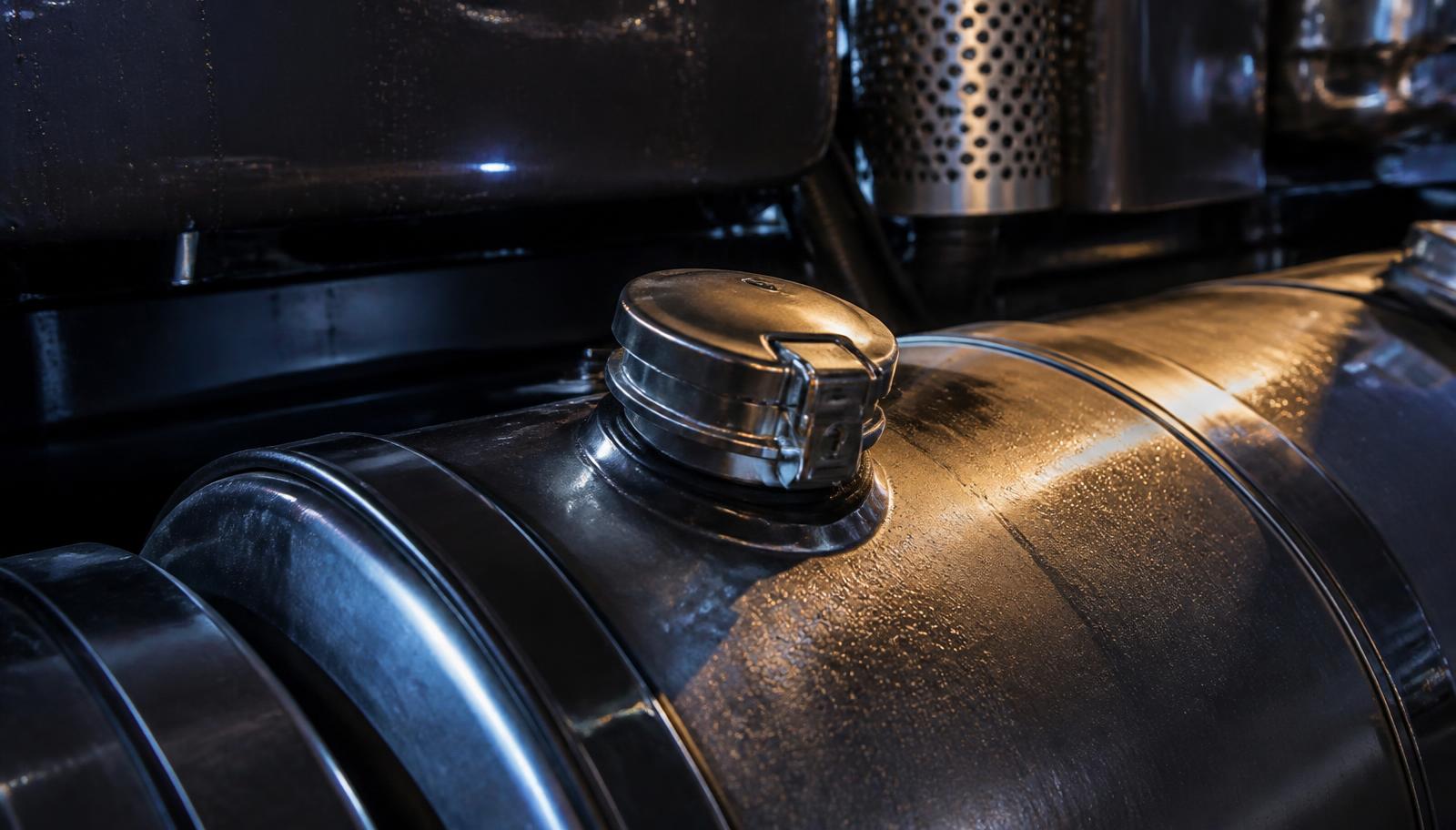
Fuel loss rarely looks like theft. It looks like slightly worse fuel economy, every month.
Where the exposure actually sits
- Vehicles parked overnight in yards, lots and on the street between shifts.
- Trailers and power units staged at customer sites or waiting on a door.
- Yard and site tanks with accessible fittings and shared access.
- Fuel deliveries, where volume changes hands and paperwork settles later.
- Long dwell on a route — the stops nobody scheduled.
Why it hides in the numbers
Fuel theft is usually incremental. A repeated draw of a modest amount from the same vehicles disappears into a fleet MPG average, and by the time the trend is obvious the individual events are months old. Card data shows what was bought, telematics shows how the truck was driven, and neither answers the question of how much fuel left the tank without the engine using it. That question needs volume observed at the tank and access observed at the fill point.
Making the loss visible while it is happening
The approach that works is the same one used on higher-profile assets, applied to fuel: control the opening itself. Nuve protects the fill point, cap and tank fittings with hardware that opens only on an authorization issued through the platform. The tank stays operable for the driver who is supposed to fuel it and closed to everyone else — so an attempt is a denied or tamper event with a vehicle, a site and a time attached, not a discrepancy argued over at month-end.
- Physical access control at fill points, caps and tank fittings, granted by role.
- Authorization issued through the platform, including remotely, for a specific access.
- Tamper and forced-access detection with location and dwell context.
- Real-time alerting and defined escalation, including overnight.
- Event history per vehicle, site and driver for investigation and dispute resolution.
The load is exposed on the same trip
The conditions that expose fuel — parked vehicles, long dwell, unattended stops, delivery handoffs — are the same conditions that expose cargo. A fleet that instruments the fuel side and ignores the trailer has protected the cheaper asset. It is usually the same architecture: control access, detect the event, keep a custody record per shipment.
SolutionCargo theft preventionElectronic locks, door sensors, dwell and route-deviation events, and a continuous custody record per load.Read the solution →If fuel spend is under review this quarter, the useful first step is not a new report. It is picking the vehicles and sites with the longest unattended dwell, and deciding what should happen the moment fuel leaves one of them without a trip to explain it.