
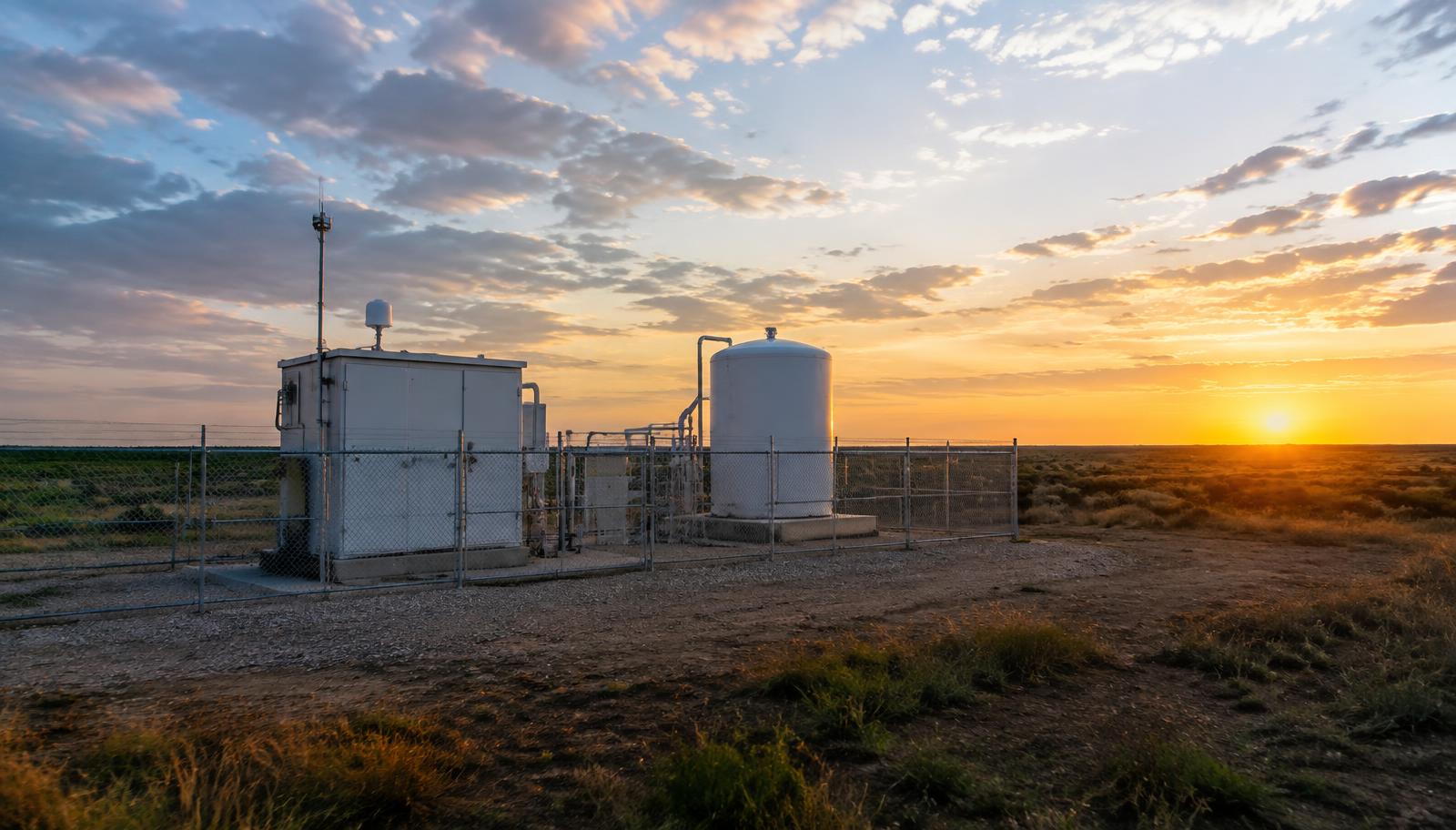
Unmanned remote sites — tank batteries, equipment cabinets, fuel storage and distributed infrastructure — cannot be protected by presence, because presence is occasional. Patrols and periodic inspections find problems after the fact. Protection that works on unmanned sites sits at the access points themselves: controlled access by role, remote authorization for legitimate work, tamper detection that raises an alert as it happens, and an event history per site for investigation.
A remote site is defined by the hours nobody is there. A tank battery might see a pumper once a day; an equipment cabinet on a lease road might see a technician once a week. Patrols, cameras reviewed later and periodic inspections all have the same weakness: they sample the time, they do not cover it.
Protection belongs at the access point
Whatever the site holds — crude, fuel, equipment or infrastructure — someone has to reach a specific opening to take it or damage it: a thief hatch, a discharge valve, a loading connection, a cabinet door. Those are a short list on any site. Protecting and monitoring that list is far more tractable than watching the whole perimeter.
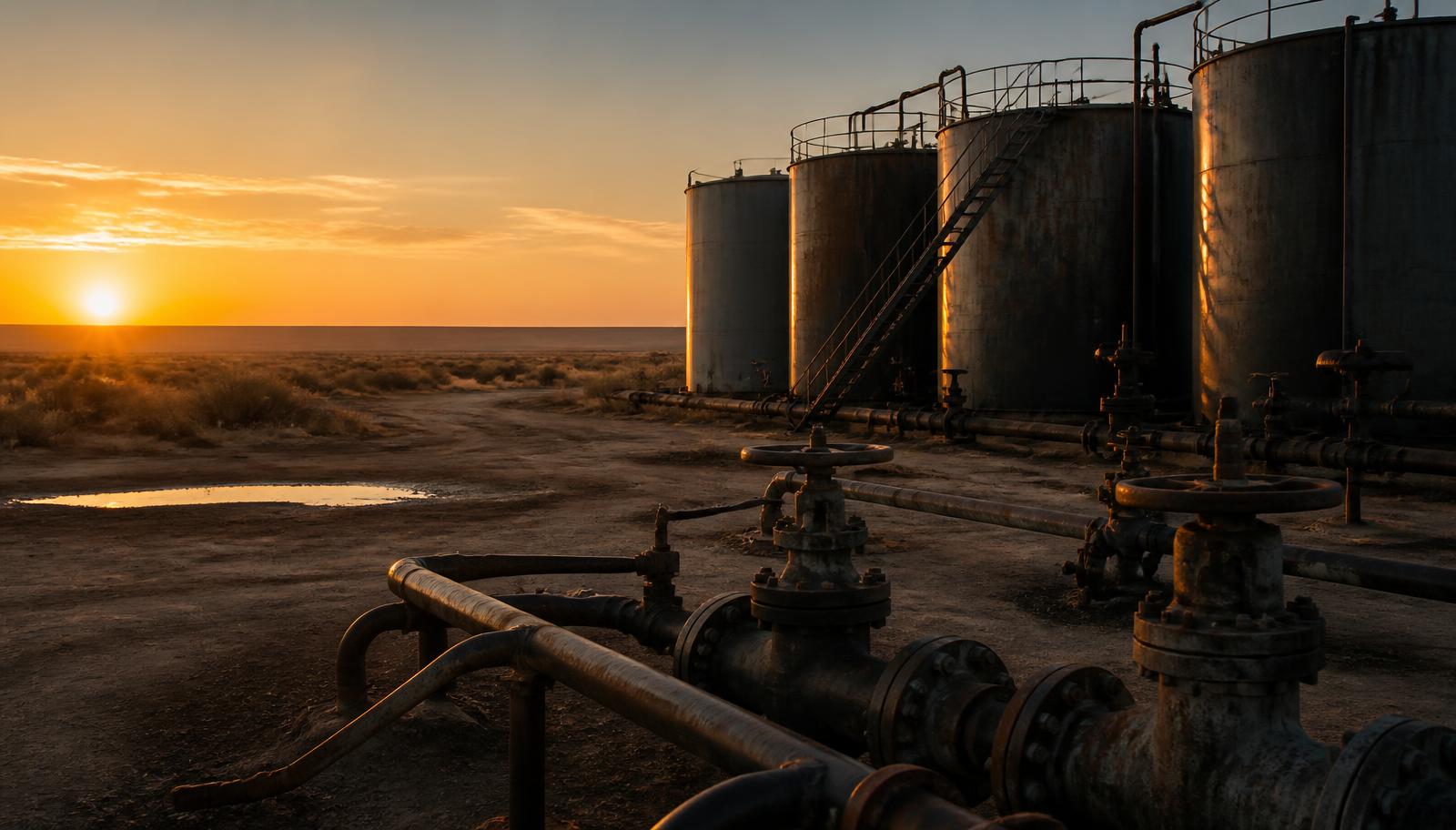
Patrols visit a site. Access control and tamper detection stay there.
What it looks like in practice
- Physical access protection at hatches, valves, loading connections and cabinets.
- Access by role, with remote authorization for scheduled and unscheduled work.
- Tamper and unauthorized-access detection, raised as a real-time alert.
- Defined escalation paths, including nights and weekends.
- Event history per site and per access point, available to operations and security.
Texas-scale distances
Across West Texas and the Permian Basin, sites are spread over thousands of square miles. Distance turns every response into a drive, which makes early, specific information more valuable: which site, which access point, and whether the opening was authorized. Nuve is based in Austin and builds for those conditions.
SolutionPermian Basin and Texas asset protectionOne protection architecture across distributed oilfield sites and the hauling between them.Read the solution →