
Fuel theft prevention
Fuel theft prevention for fleets, terminals and industrial sites
Fuel loss is a continuous, quiet expense. Nuve prevents it at the source: the tank opening itself is physically controlled, and every access is authorized and recorded through the platform.
In short
Fuel theft prevention starts with physical control of the tank. Nuve protects the filler, cap and hatch with hardware that only opens on an authorization issued through the platform, so fuel cannot be drawn without a granted, recorded access. Tamper attempts raise real-time alerts, and every access — granted, denied or forced — becomes an event tied to a vehicle, tank or site with a time, a place and an owner. The same approach covers power units and trailers on the road and fixed storage at terminals, yards and industrial sites.
- Diesel theft prevention across long-haul and regional fleets
- Physical protection of saddle tanks on parked power units and trailers
- Fuel protection at terminals, depots and yards
- Access control on tanks, hatches, caps and filler points
- Remote authorization for drivers and third-party fuelers
- Access history and loss exposure reporting for operations and finance
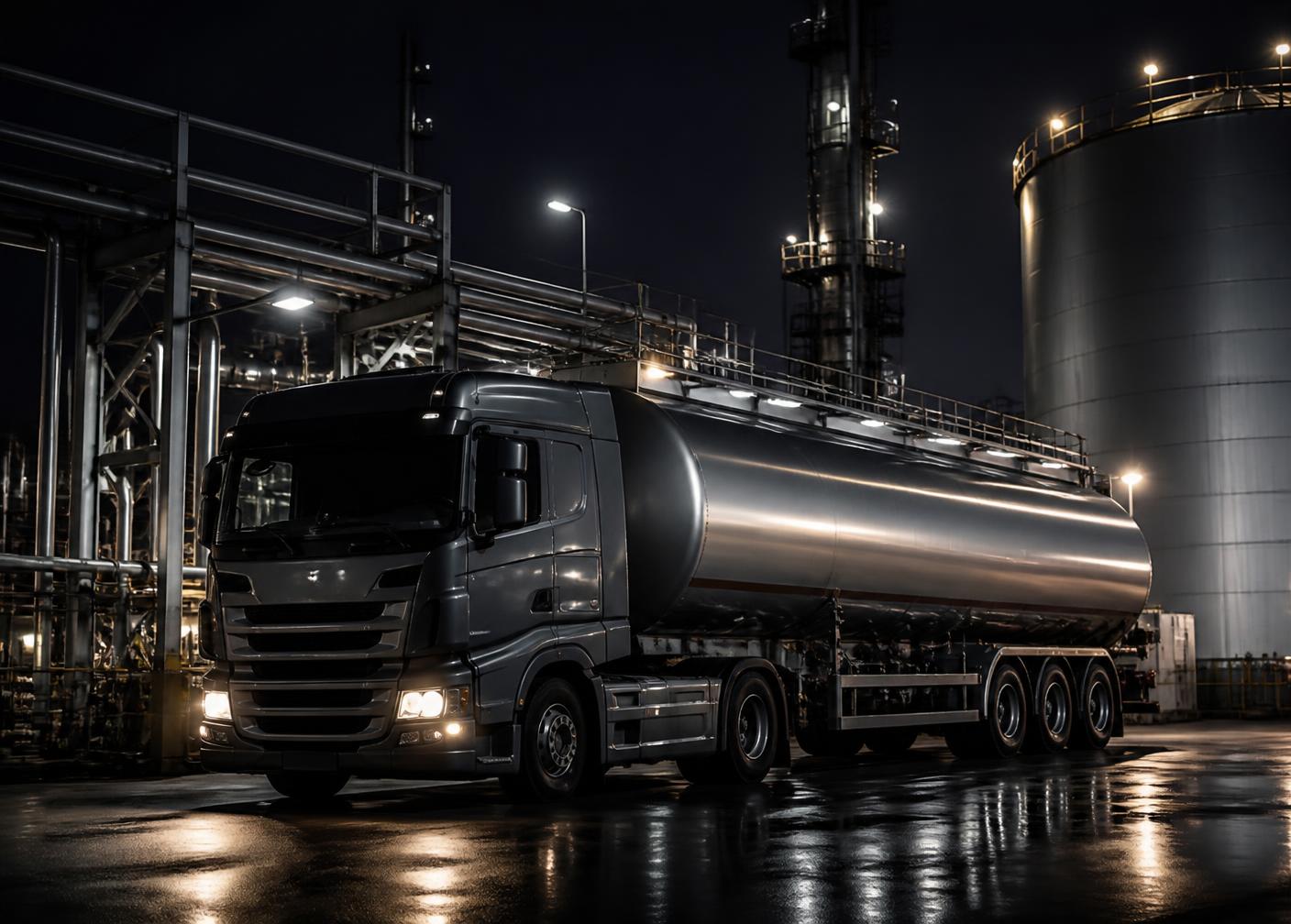
Protection architecture
Three layers, applied to the asset.
Layer 01
Physical control of the tank
The opening where fuel can be drawn is protected by hardware, not procedure.
- Protection at the filler, cap and hatch
- Opens only on a granted authorization
- Purpose-built hardware per asset type
- Power units, trailers, tanks and dispensers
Layer 02
Authorization & alerts through the platform
Who may open which tank, and when, is decided in the platform and enforced at the asset.
- Access granted by role, driver or window
- Remote authorization for a specific access
- Tamper and forced-access detection
- Real-time alerts with escalation paths
Layer 03
Record, reporting & integration
Every access is a record operations and finance can both use.
- Access history per vehicle, tank or site
- Recurring pattern and route review
- Loss exposure reporting
- APIs and integration with TMS, ERP and fuel systems
Why fuel loss is hard to see
A single siphoning event is small enough to sit inside normal variance. Fuel loss becomes visible only in aggregate, which is why it is usually first noticed as an unexplained gap between purchased and consumed volume. By then the location, the time and the people involved are no longer recoverable.
- Siphoning from parked power units and trailers
- Over-dispensing and unrecorded transfers at fuel points
- Volume drops during long dwell or overnight parking
- Purchase-to-consumption gaps found only at month-end
Prevention instead of reconstruction
Nuve's approach is novel because it does not try to infer theft after the fact. The tank simply does not open for anyone without an authorization issued through the platform. Legitimate fueling and transfers proceed normally and leave a clean record; anything else is a denied or forced-access event with a time, a place and an owner, raised while someone can still respond.
Vehicles in motion and fixed storage
The same architecture applies to both. On the road, access protection travels with the power unit or trailer. At a terminal, yard or industrial site, it sits on tanks, hatches and dispensing points. Both feed the same asset record, so a fleet and its fueling infrastructure can be reviewed together.
Questions
Common questions.
- How is this different from monitoring fuel consumption?
- Consumption reporting tells you fuel is missing after the fact. Nuve prevents the draw itself: the filler or hatch is physically controlled and only opens on an authorization issued through the platform, so an unauthorized attempt becomes a denied or tamper event instead of an unexplained variance.
- Does it work on trailers and equipment, not just power units?
- Yes. Trailers, tanks, generators and equipment can carry their own access protection, and they appear as their own asset records with their own access history.
- Can it protect fixed fuel storage as well as vehicles?
- Yes. Tanks, dispensers and loading points at terminals, yards and industrial sites use the same combination of physical access control, platform authorization, tamper detection and access history.
- Do we have to replace our fleet or fuel management system?
- No. Nuve is a protection layer that exchanges data with existing systems — TMS, ERP, telematics and fuel management — through APIs and integrations.
Next step
Start with the asset you need to protect.
Related
- Petroleum theft preventionAn industrial asset protection architecture for crude oil and refined product: physical access protection at the valve and hatch, remote monitoring and tamper detection, and operational visibility across distributed sites.
- Cargo theft preventionCargo is most exposed when it is separated from the power unit and from supervision. Nuve keeps custody of the load observable — door and lock status, location, dwell and sensor data in one record.
Tell us what you need to protect.
Every engagement starts the same way: the asset, the exposure, and the operation around it. We will tell you what a protection architecture for it looks like.