
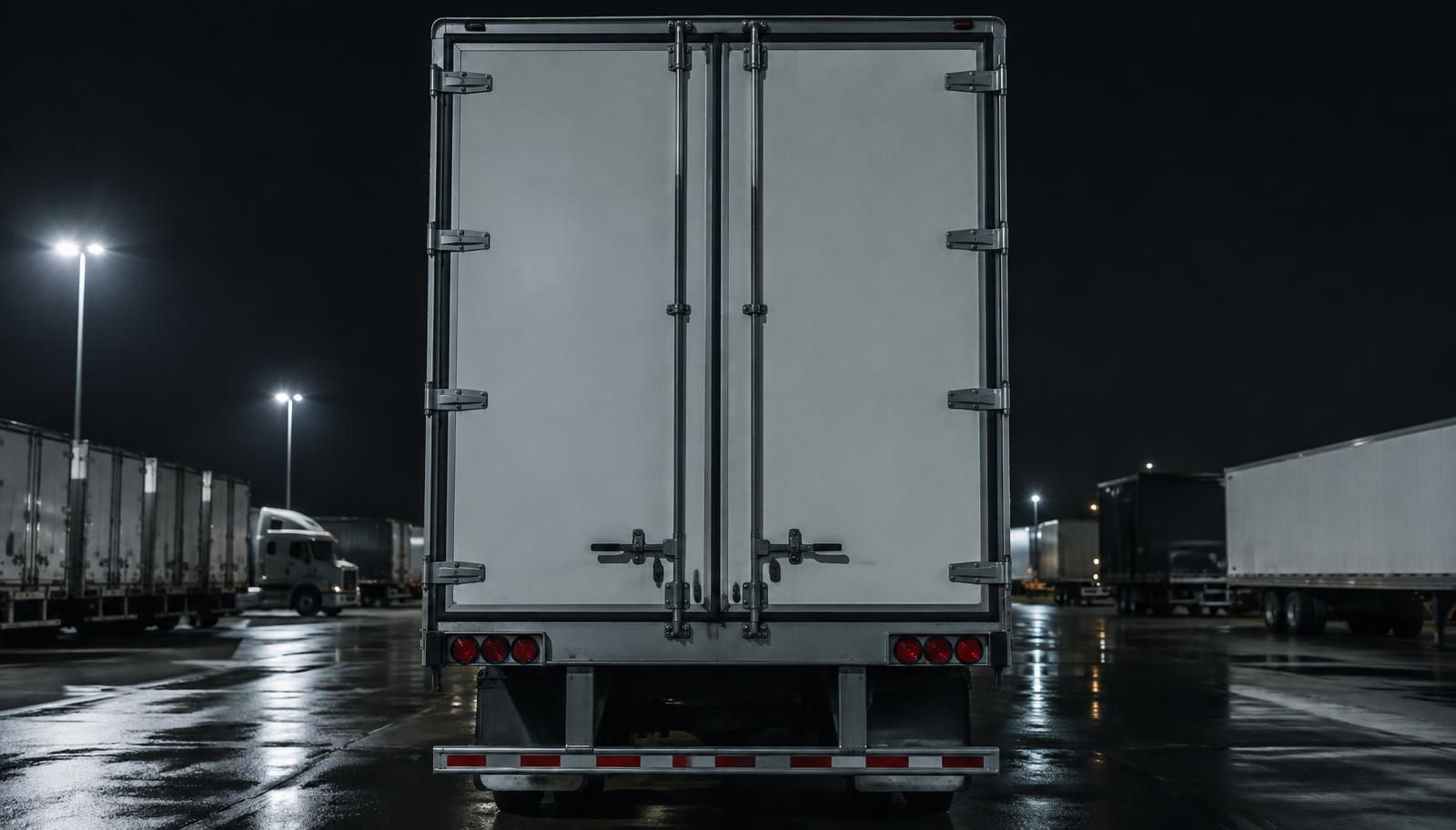
Cargo theft is prevented at the trailer doors, not on a map. Location tracking shows where a load is; it does not show whether the doors were opened, by whom, or whether that was authorized. Effective cargo theft prevention combines controlled access to the load (electronic locks opened by authorization), door and tamper events, dwell and route-deviation alerts, and a continuous custody record per shipment that holds up in a claim or investigation.
Ask most operations how they protect cargo and the answer starts with tracking. Tracking matters, but a dot on a map is the same dot whether the trailer doors are sealed or standing open. The load is lost at the doors — so that is where prevention has to start.
Where cargo is actually exposed
- Drop trailers staged in yards and at customer sites, separated from the power unit.
- Weekend and overnight dwell, when nobody is watching and nothing is scheduled.
- Unplanned stops and route deviations between origin and destination.
- Handoffs between carriers, drivers and facilities, where custody becomes contested.
A tracker tells you where the trailer is. Only the door tells you whether the load is still yours.
Five practical steps
- Control the doors: electronic locks that open on authorization, not a shared key or a seal alone.
- Detect the opening: door and tamper events in real time, with location and time attached.
- Watch dwell: alert when a load sits longer than planned, or stops where it should not.
- Define escalation: who is notified, overnight included, and what they do next.
- Keep the record: every authorization, opening and event in one custody history per shipment.
Why the record matters as much as the alert
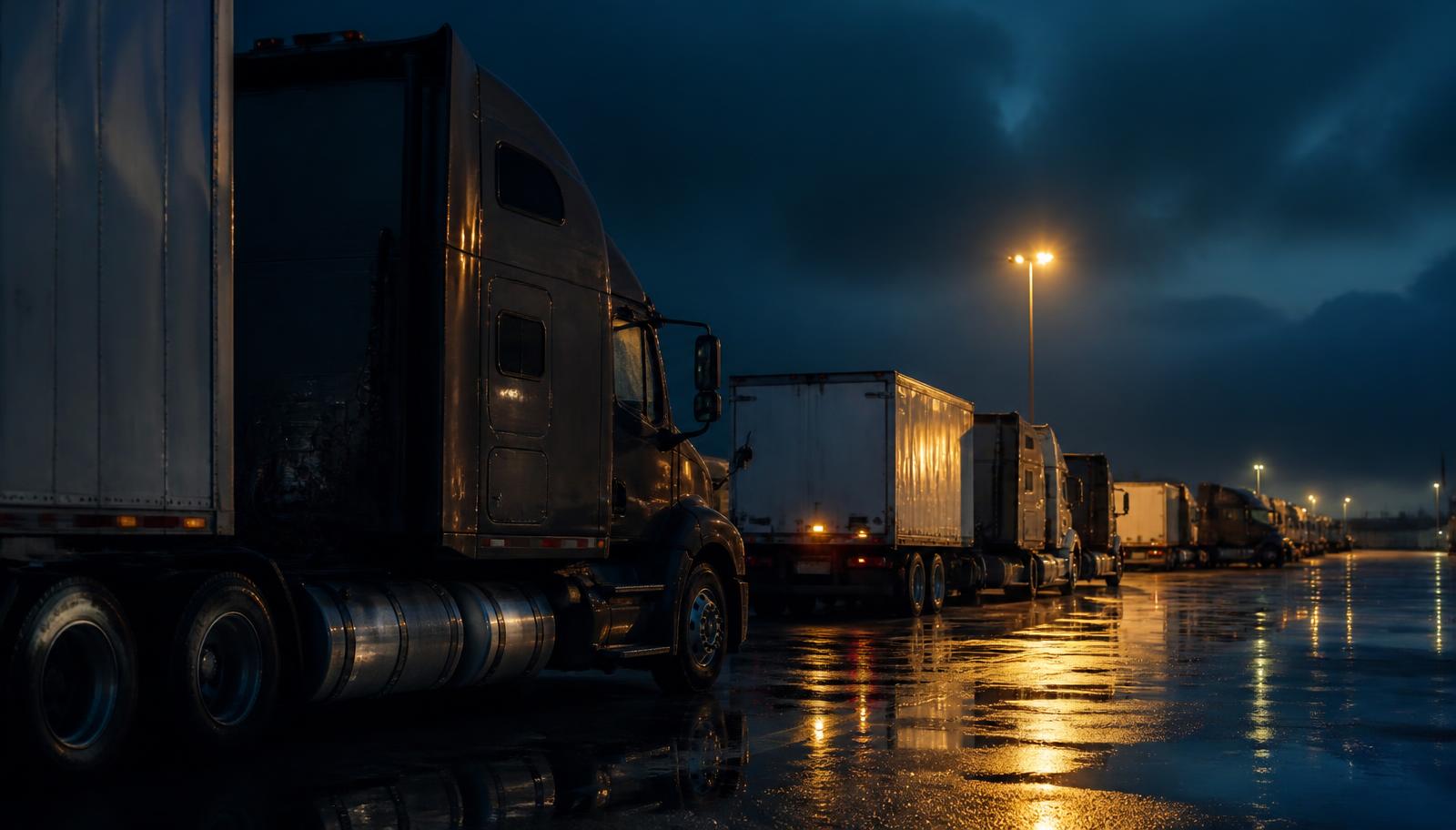
An alert is useful in the moment. The record is what remains afterwards: when a claim is filed, when a customer disputes a shortage, when an investigation needs to know which stop the doors were opened at. A continuous custody record per load — authorizations, door events, dwell and route — is what turns an argument into a timeline.
SolutionCargo theft preventionElectronic locks, door sensors, dwell and route-deviation events, and a continuous custody record per load.Read the solution →The same trips that expose cargo expose fuel. A fleet that protects the trailer doors and leaves the tanks open has protected half the asset.
SolutionFuel theft preventionTank access controlled through the platform, with tamper alerts and access history per vehicle.Read the solution →