
Permian Basin & West Texas
Oilfield asset protection for the Permian Basin and Texas operations
Distributed sites, long distances between them and limited on-site presence. Nuve builds protection architectures suited to how West Texas and southeastern New Mexico operations actually run.
In short
Permian Basin operations concentrate a large number of high-value, low-supervision access points across a wide geography: tank batteries, discharge valves, hatches, produced-water and fuel storage, and the trucking that connects them. Nuve applies one architecture across that footprint — physical access protection at each point, connected monitoring and tamper detection for unmanned sites, and event data that reaches operational platforms. Nuve is headquartered in Austin, Texas.
- Crude oil theft prevention at remote tank batteries
- Valve and hatch access protection across many sites
- Tamper detection and alerting at unmanned locations
- Remote authorization for third-party haulers and crews
- Fuel and produced-water storage protection
- operational platform integration
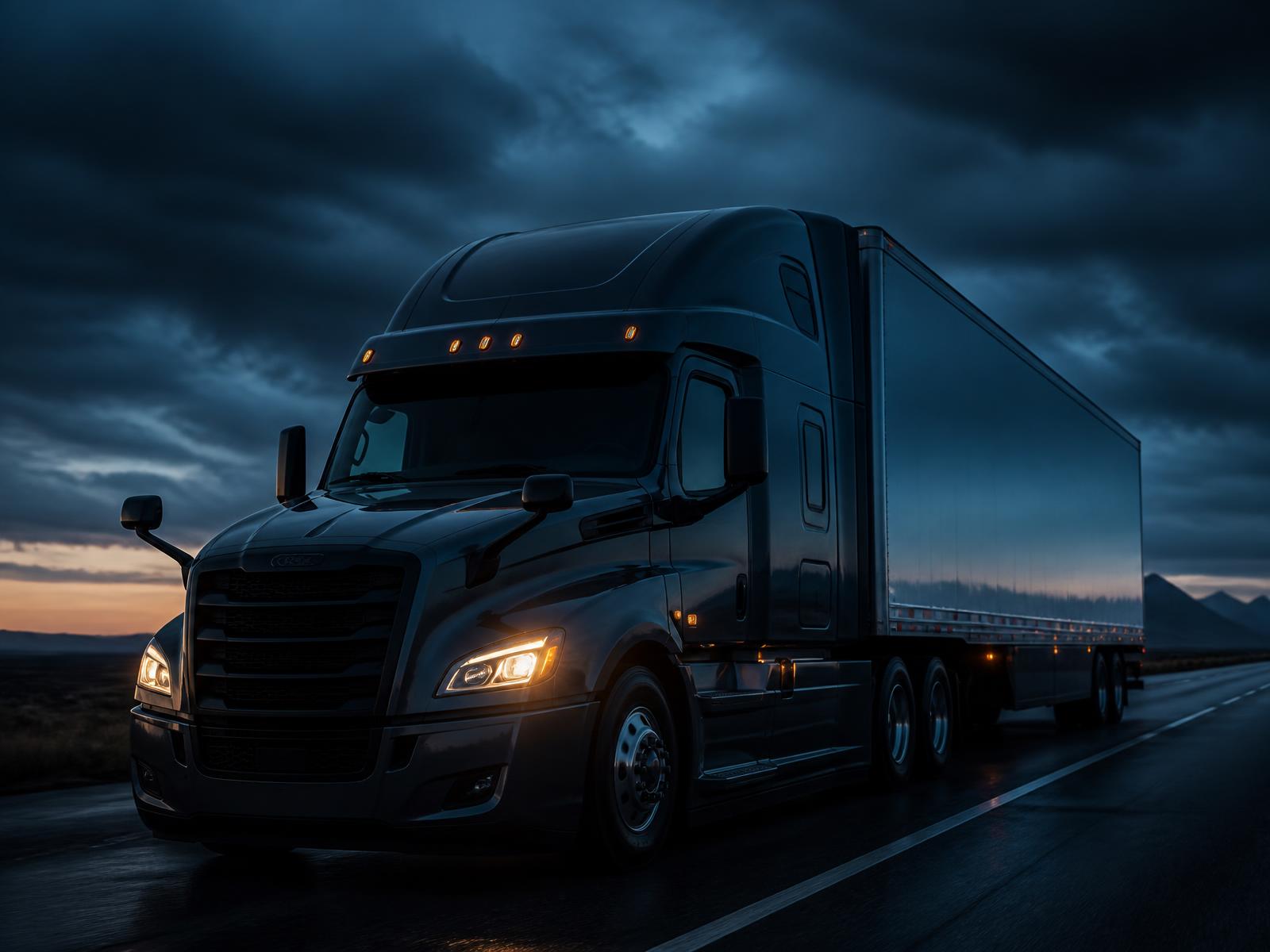
Protection architecture
Three layers, applied to the asset.
Layer 01
Access points across a wide footprint
Protection applied consistently at every point product can leave.
- Tank battery valves and hatches
- Loading and transfer connections
- Fuel and produced-water storage
- Role-based, auditable access
Layer 02
Unmanned site monitoring
Detection that does not depend on someone being there.
- Tamper and unauthorized-access detection
- Remote authorization for field crews and haulers
- Site and device telemetry over cellular coverage
- Real-time alerts with defined escalation
Layer 03
Field-to-office visibility
One operational picture across sites and the trucking between them.
- Event history per site and access point
- Hauling and fleet events in the same model
- operational platform integration
- Reporting for operations, security and compliance
What makes basin operations different
The problem is not a single high-security site. It is hundreds of ordinary ones: unmanned locations spread across counties, reached by long drives, shared by operators, service crews and haulers. Response time is measured in hours, so protection has to work without a person present and detection has to reach the office immediately.
- Remote, unmanned tank batteries and storage points
- Multiple crews and third-party haulers needing access
- Long distances between sites and responders
- Losses that only surface in reconciliation
One architecture, applied at scale
Because every site uses the same asset model, access rules, alerting and event history are consistent whether a location was added last year or last week. That matters more than any individual device: an operator can see access and exception activity across the whole footprint in one place.
Product movement is part of the same picture
Crude and fuel leave the site by truck, so hauling belongs in the same protection model. Vehicle and trailer telemetry, load custody and site access events sit in one system, which is what makes an unexplained volume difference traceable to a specific site, time and access point.
A Texas company, working across Texas
Nuve was founded in 2010 and is based in Austin, Texas, at 701 Brazos St, Suite 500. Work happens at the customer's sites rather than at an office, and Nuve serves operations throughout Texas — the Permian Basin and West Texas, and every other part of the state where crude, refined product and the trucking between them are exposed. Regional partners handle installation and field configuration so deployments happen close to the operation.
- Headquarters: Austin, Texas
- Service area: all of Texas
- On-site deployment and field configuration with regional partners
- Contact: info@nuve.us
Questions
Common questions.
- Does Nuve work with operators in the Permian Basin?
- Nuve is a Texas company, based in Austin since 2010, and its architecture is built for exactly this profile of asset: distributed, high-value access points with limited on-site presence. The right starting point is a conversation about your specific sites and access points.
- Where in Texas does Nuve work?
- Nuve serves operations across all of Texas, from the Permian Basin and West Texas to the rest of the state. It is a service-area business: the team and its regional partners deploy at the customer's sites rather than receiving visitors at an office. Nuve's headquarters is at 701 Brazos St, Suite 500, Austin, TX 78701, and enquiries go to info@nuve.us.
- Do remote sites need power or network infrastructure?
- Devices are selected for the site's conditions, including cellular connectivity and site power constraints. Where no suitable device exists for a specific asset or environment, Nuve designs and deploys hardware to close that gap.
- Can third-party haulers be given access without losing control?
- Yes. Access is granted by role and can require remote authorization, and every access — granted or attempted — is recorded as an event against that site and access point.
- How does this connect to existing operational systems?
- Assets, events and telemetry are available through APIs and integrations, so protection data can be consumed by the operational platforms an operator already runs rather than reviewed in isolation.
Next step
Start with the asset you need to protect.
Related
- Petroleum theft preventionAn industrial asset protection architecture for crude oil and refined product: physical access protection at the valve and hatch, remote monitoring and tamper detection, and operational visibility across distributed sites.
- Fuel theft preventionFuel loss is a continuous, quiet expense. Nuve prevents it at the source: the tank opening itself is physically controlled, and every access is authorized and recorded through the platform.
Tell us what you need to protect.
Every engagement starts the same way: the asset, the exposure, and the operation around it. We will tell you what a protection architecture for it looks like.